Jon Alexander
Keynote Speaker
Jon is the author of CITIZENS: Why the Key to Fixing Everything is All of Us and co-host of the How To Save Democracy podcast. He is a strategist, storyteller and connector whose work is devoted to opening the way to a “Citizen Future”: one rooted in the deep truth that all of us are smarter than any of us. Jon began his career with a decade in the advertising industry, winning the prestigious Big Creative Idea of the Year, before making a dramatic change. Driven by a deep need to understand the impact on society of 3,000 commercial messages a day, he gathered three Masters degrees, exploring “Consumer-ism” and its alternatives from every angle. His resulting book CITIZENS was listed by McKinsey as one of its Top 5 Recommended Reads in its Summer Reading Guide 2022, described as "an underground hit" in the Financial Times, and selected by the World Economic Forum for its CEO Book Club. Jon is also a Visiting Fellow on the Reimagining Democracy programme at the Ash Center for Democratic Governance and Innovation at the Harvard Kennedy School of Government, and sits on the advisory councils of DemocracyNext, the Democracy and Culture Foundation, and the Better Politics Foundation.
A Citizen Future is still possible
Authentic hope requires the clarity to see the troubles of the world as they are, the imagination to see that things could be different - and action. In the opening keynote of the conference, Jon will draw on lessons from history to argue that we are in a profound moment. The foundational "Consumer Story" has increasingly shaped the world over the last 80 years, and is now in collapse. It threatens to take humanity down with it: we face very real existential threat. But there is also an older, deeper, and more hopeful story emerging again: the Citizen Story. Jon will share stories from around the world, and invite us all to claim our agency to step into this story, and help make this future as we do so.
Cristina Roldão
Panelist
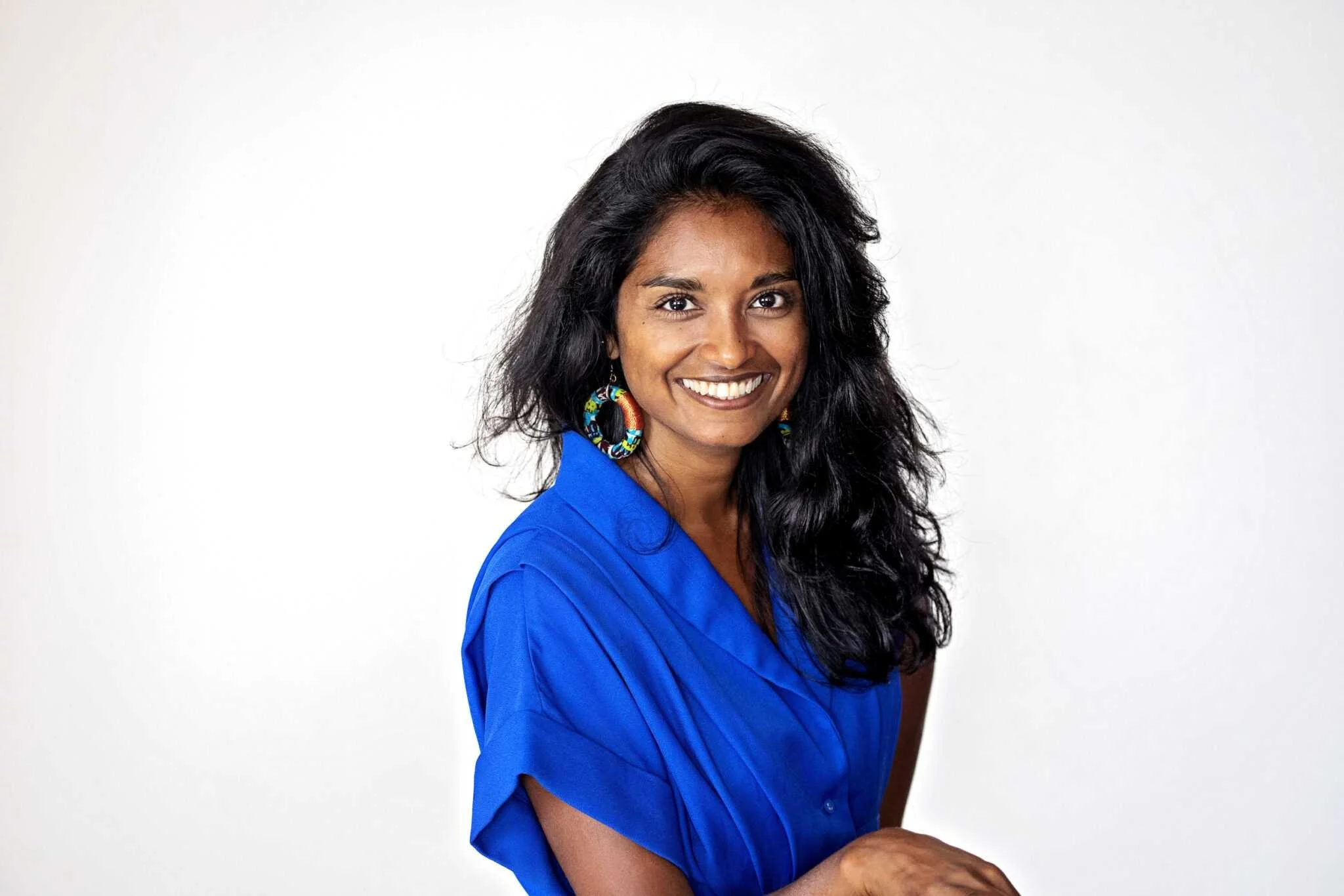
Cristina Roldão is a sociologist and one of Portugal’s foremost voices on race and education. Her research has traced how colonial hierarchies are mirrored in the postcolonial school system, where vocational tracks often absorb racialised students while elite high schools and universities remain disproportionately white. Her work challenges educators to see how educational segregation is not an accident, but a continuation of material and symbolic colonial divisions.
Racism in Education: Material and Cultural Segregation
Education is often presented as a space of equal opportunity — yet, historically, it has also been one of the most enduring vehicles for reproducing inequality. This panel explores how colonial legacies continue to shape the European school system, influencing who has access to which types of education, and whose knowledge is considered valuable.
Together, the speakers invite participants to reflect on how systems of categorisation, streaming, and expectation — often presented as neutral — are in fact deeply political, and to imagine forms of teaching that dismantle these hierarchies rather than reproducing them.
Valentina Migliarini
Panelist
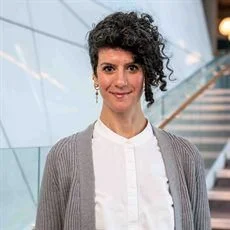
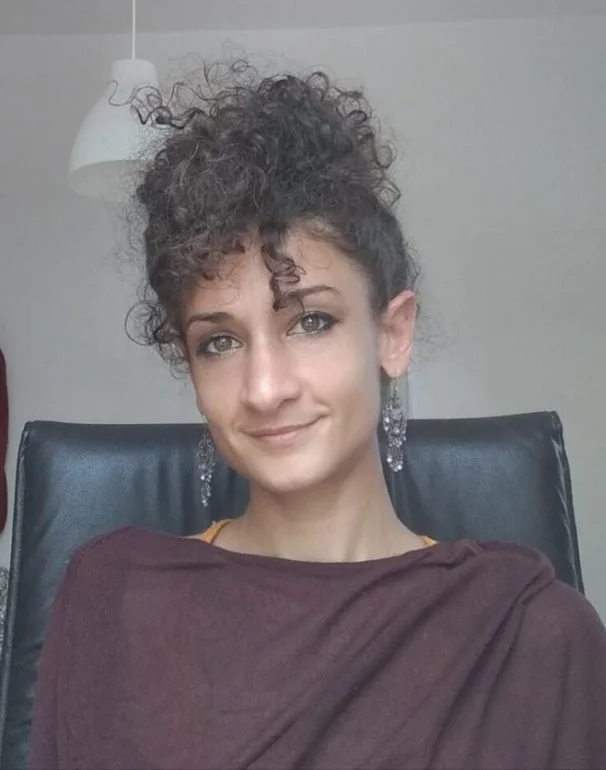
Valentina Migliarini (UK) researches how race and disability interact in school environments to produce forms of “cultural segregation” that remain invisible in policy and pedagogy. By situating race and disability together, she helps us reimagine inclusion not as assimilation, but as the transformation of educational norms themselves.
Mette Toft Nielsen
Moderator
Mette Toft Nielsen (Spark Teachers, ENAR foundation) Danish, English (as a foreign language), and humanities (social science, religion, history) teacher, coach, and independent consultant focusing on creating equitable and responsive learning spaces and work environments. Chair of SPARK Teachers, a community for racially minoritised teachers across Europe.
Marie Moise
Panelist
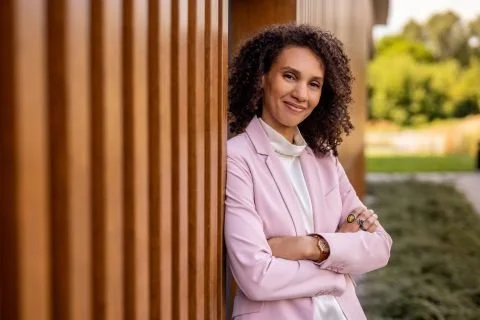
Marie Moise (Italy) is a philosopher and activist whose work centres on Black feminism and the politics of memory. As co-author of Future. Il domani narrato dalle voci di oggi, she explores how reclaiming suppressed stories — from colonial resistance to migration — can open new spaces of belonging in contemporary Europe. Moïse’s interventions consistently connect structural critique to hope, insisting that narratives are not only tools of critique but also of healing and imagination.
The Power of Counter-Narratives
If the first panel uncovers how exclusion operates, this second one focuses on the possibilities of resistance. “The Power of Counter-Narratives” brings together thinkers and practitioners who use storytelling, history, and collective memory as tools of emancipation. This conversation will examine storytelling as a pedagogical imaginative practice: how can educators and cultural institutions create spaces where marginalised voices are not merely included but centred? How can history education itself become an act of narrative repair?
Margaret Amaka Ohia-Nowak
Panelist
Margaret Amaka Ohia-Nowak (Poland) is a linguist and critical discourse analyst whose research on racialised language in public and educational settings exposes how Europe’s self-image as “colour-blind” often silences racial realities. Her work emphasises the need to make visible the everyday narratives that sustain racism — and to create counter-narratives that affirm dignity, agency, and plurality.
Anouk Torbeyns
Moderator
Anouk Torbeyns is a Belgian journalist and editor-in-chief at StampMedia. She began her career as a reporter before working in the newsrooms of Het Laatste Nieuws, Charlie Magazine, and De Standaard.
She is currently involved in mentoring young writers and supporting emerging media professionals in developing articles and opinion pieces. Her work focuses on inclusive storytelling, media literacy, and amplifying diverse perspectives.
Philipp M. Schulmeister
Director for Outreach, Directorate General for Communication, European Parliament
Philipp Schulmeister is Director for Outreach in the European Parliament. Austrian by birth and communicator by passion, he works in the European Parliament since 1998. In his role as Parliament’s head of polling and public opinion, he had developed Parliament’s segmentation and targeting strategy for the European elections 2019 and 2024. As Director for Campaigns, he steered the widely recognised ‘Use Your Vote’ campaign for the 2024 European Elections. At a time of eroding trust in politics and an increasing pressure on democratic processes, he develops data-driven communication strategies with his teams designed to amplify Parliament’s voice and message. Core in this regard is the partnering with trusted voices of online and offline multipliers, aiming at informing citizens, fostering trust and encouraging active civic engagement.
Historiana Teaching and Learning Team
Bridget Martin
Ute Ackermann Boeros